


Why Mold and Mildew Grow So Fast on Fences in Coastal Florida
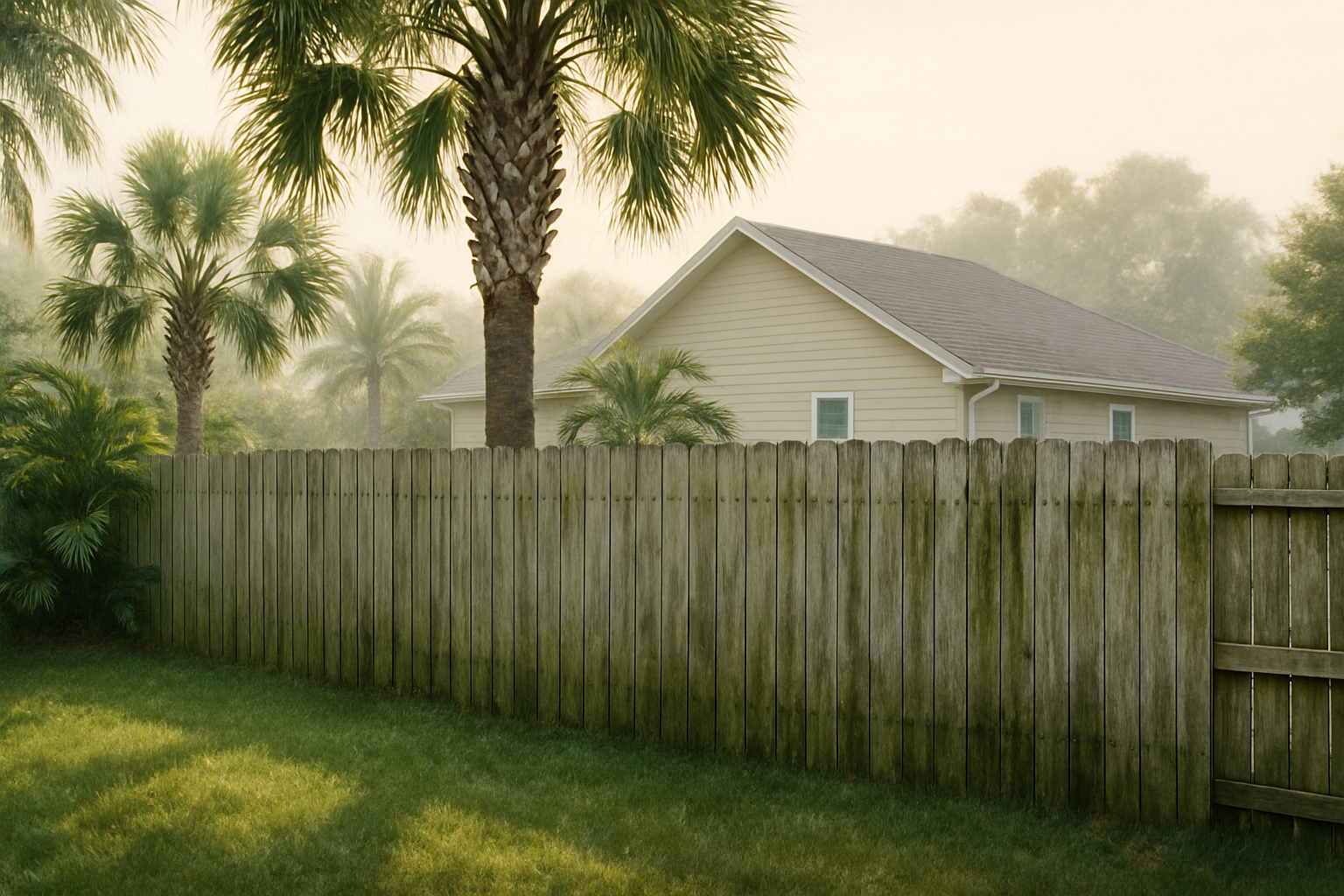
If you live in Freeport, FL, you already know August can feel like the outdoors has a steam setting. Between heavy humidity, salty coastal air, warm temperatures, afternoon thunderstorms, and shaded yards that never fully dry out, fences in our area can turn green, black, or blotchy faster than many homeowners expect.
At Classic Touch Pressure Washing, we see this every summer: a fence that looked clean in spring can be covered in mildew streaks by late August. Whether your fence is wood, vinyl, composite, or painted, coastal Florida weather creates the perfect environment for organic growth.
Key Takeaways:
- August humidity, heat, shade, and afternoon rain make Freeport fences especially vulnerable to mold, mildew, algae, and organic staining.
- Fences near trees, sprinklers, marshy areas, or shaded property lines usually need more frequent cleaning.
- Professional pressure washing and soft washing help remove buildup safely without damaging wood, vinyl, or painted surfaces.
- Routine fence cleaning improves curb appeal and can help extend the life of your fence by reducing organic growth and surface deterioration.
Why August Weather in Freeport Makes Fence Growth Worse
August in Freeport brings long, hot days and plenty of moisture. Temperatures often climb into the 90s, while humidity stays high from morning through night. Add in quick afternoon storms, damp soil, and shaded fence lines, and your fence may stay wet much longer than it should.
Mold and mildew thrive when three things are present: moisture, warmth, and organic material. Coastal Florida provides all three nearly every day in late summer. Fence surfaces collect pollen, dirt, grass clippings, leaves, sap, and airborne contaminants. Once moisture settles on that layer, organic growth has something to feed on.
Common August conditions that speed up fence staining include:
- High humidity: Even when it does not rain, moisture in the air settles on fence surfaces.
- Afternoon thunderstorms: Fast-moving storms wet fences repeatedly, especially lower boards and posts.
- Warm temperatures: Heat accelerates biological growth, especially on shaded or damp surfaces.
- Limited airflow: Fences near shrubs, trees, or neighboring structures dry more slowly.
- Salt air: Coastal air can leave residue that helps grime cling to exterior surfaces.
Mold, Mildew, and Algae: What Is Actually Growing on Your Fence?
Homeowners often use the words mold and mildew interchangeably, but fences in Freeport may collect a mix of organic growth. Mildew usually appears as gray, white, or powdery surface staining. Algae often looks green and can spread across shaded areas. Mold can appear darker, sometimes black or brown, especially where moisture is trapped.
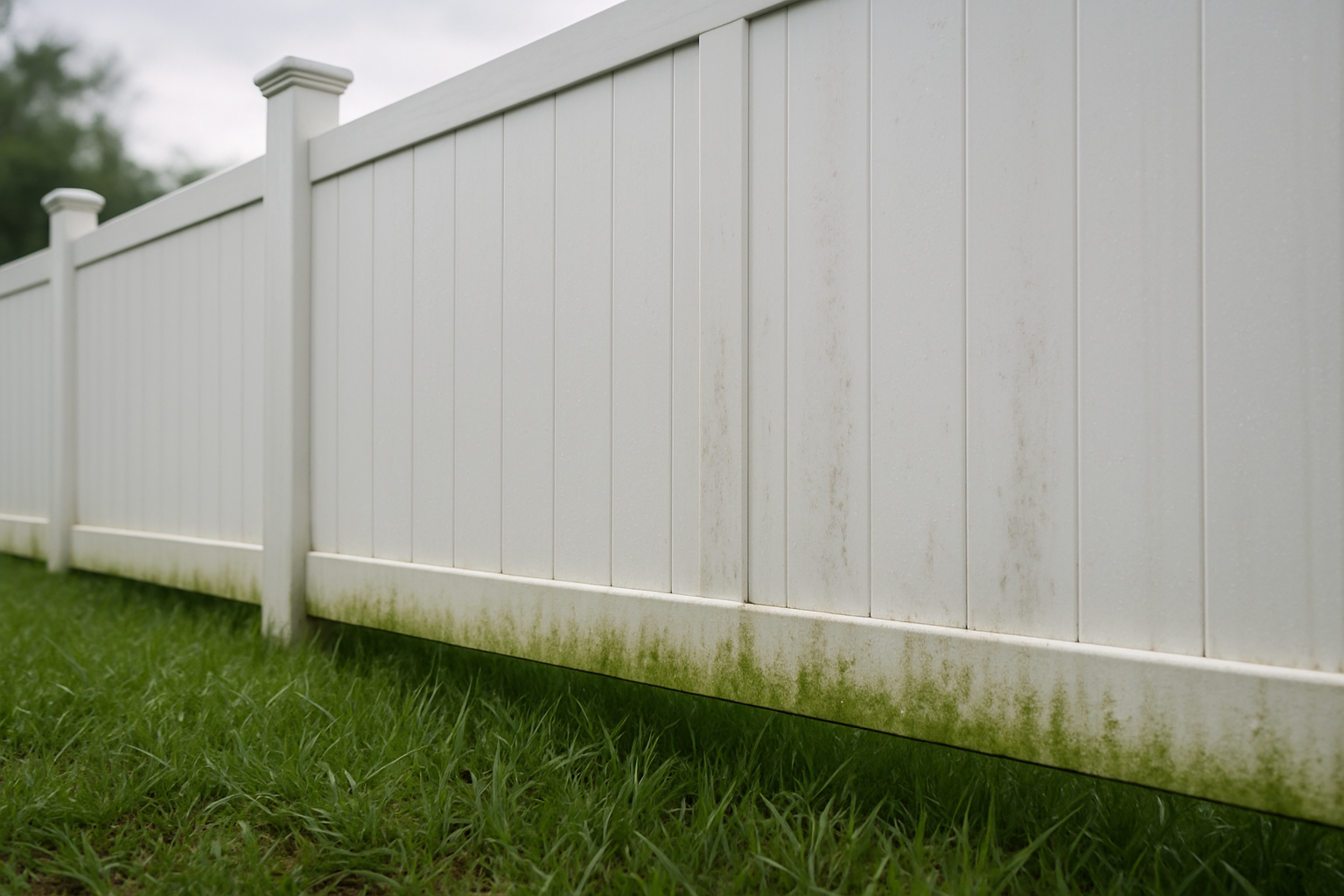
On wood fences, growth can settle into the grain and make boards look older than they are. On vinyl fences, mildew and algae often appear along seams, rails, and lower panels. Painted fences may develop dark streaks where rainwater runs down the surface.
The important thing to know is this: if your fence looks dirty, streaky, or green in August, it is usually not just “dust.” It is often living organic growth feeding on moisture and buildup.
“After all the rain and humidity, our fence looked like it aged five years in one summer. Classic Touch Pressure Washing cleaned it up without tearing up the wood, and the whole backyard looked brighter.”
— Local Freeport homeowner
Why Coastal Florida Fences Get Dirty Faster Than Inland Fences
Freeport’s location near Choctawhatchee Bay and the surrounding coastal environment plays a big role. Even if your home is not directly on the water, coastal moisture and airborne salt can affect exterior surfaces. Salt and humidity help grime stick, and sticky grime gives mold and mildew more to feed on.
Many Freeport neighborhoods also have mature trees, wooded lots, and shaded backyards. Shade is great for cooling your yard, but it also keeps fences damp. A sunny fence panel may dry quickly after rain, while the shaded side can stay wet for hours.
Fence sections most likely to grow mold and mildew quickly include:
- Panels along shaded property lines
- Fence areas near trees, hedges, or overgrown landscaping
- Sections hit regularly by sprinkler overspray
- Lower boards close to damp grass or soil
- Gates and corners with poor airflow
- North-facing or heavily shaded fence runs
Why DIY Fence Cleaning Can Go Wrong
We understand the temptation to rent or buy a pressure washer and blast away the grime. The problem is that fences are easier to damage than many people think. Too much pressure can scar wood, leave wand marks, force water into seams, strip paint, or damage vinyl panels. On wood fences, aggressive pressure can raise the grain and leave permanent lines.
Another issue is that pressure alone may not fully treat the organic growth. If mildew, algae, or mold remains in the pores, seams, or shaded areas, it can come back quickly—especially in August weather.
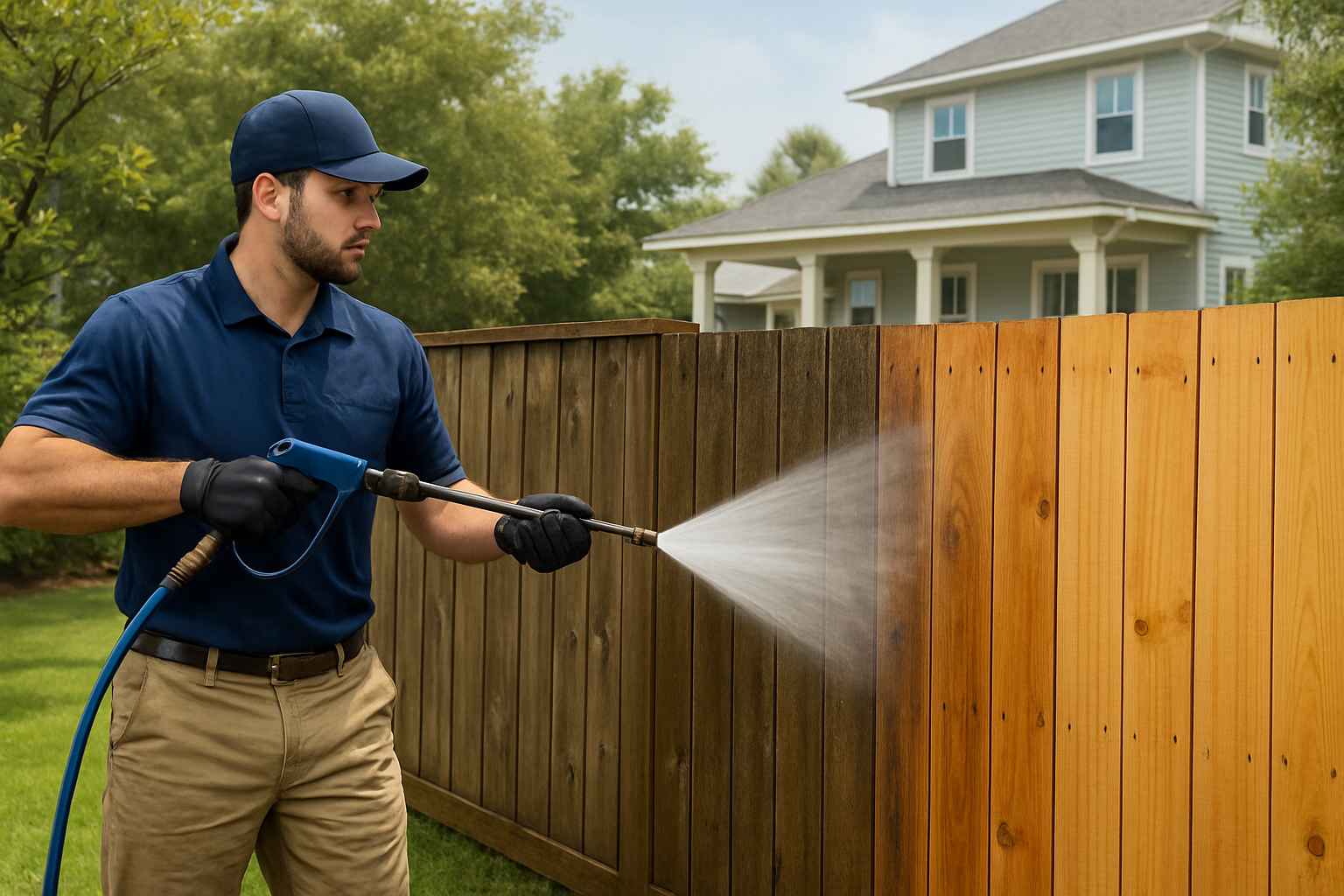
A professional approach uses the right combination of cleaning solution, dwell time, controlled pressure, and rinsing. At Classic Touch Pressure Washing, we focus on cleaning the fence effectively while protecting the surface. That often means using a soft wash method or a lower-pressure technique depending on the material and condition of the fence.
How Professional Fence Cleaning Helps Protect Your Property
A clean fence does more than improve appearance. It also helps preserve your outdoor space. Organic growth can hold moisture against the surface, and prolonged moisture exposure is never good for wood, paint, hardware, or fence posts. While cleaning will not repair damaged boards or structural issues, it can help remove the buildup that contributes to premature wear.
Professional fence washing can help:
- Restore curb appeal before guests, gatherings, or listing photos
- Remove slippery organic buildup from gates and lower fence areas
- Brighten wood, vinyl, and painted fence surfaces
- Reduce recurring mildew and algae when maintained regularly
- Prepare fences for staining, sealing, or painting
In August, this is especially helpful because outdoor surfaces are under constant attack from heat and moisture. Cleaning the buildup now can help your fence look better heading into fall, when many Freeport homeowners spend more time outside again.
Why Choose Classic Touch Pressure Washing?
As the owner of Classic Touch Pressure Washing, I take pride in helping Freeport homeowners protect and refresh their properties. We are not just showing up to spray water and leave. We look at the material, the level of buildup, drainage, surrounding landscaping, and the best cleaning method for your fence.
Every property is different. A shaded wooden privacy fence near the woods needs a different approach than a white vinyl fence near a sunny driveway. Our goal is to deliver a clean, even result without unnecessary surface damage.
Customers choose Classic Touch Pressure Washing because we offer:
- Local experience: We understand Freeport’s humidity, rain patterns, coastal air, and common exterior cleaning challenges.
- Surface-appropriate cleaning: We adjust our process for wood, vinyl, painted, and other fence materials.
- Attention to detail: We focus on corners, posts, gates, lower rails, and shaded sections where mildew hides.
- Respect for your property: We work carefully around landscaping, outdoor furniture, and nearby surfaces.
- Reliable communication: We want you to know what to expect before, during, and after your service.
How Often Should You Clean Your Fence in Freeport?
For many Freeport homes, fence cleaning once a year is a good starting point. However, some properties may need service more often, especially if the fence is heavily shaded, close to trees, or exposed to sprinkler overspray. During wet summers, mildew can return faster than expected.
If you notice green buildup, black streaking, musty-looking patches, or dark stains near the bottom of the fence, it is probably time to schedule a cleaning. Waiting too long allows buildup to become more embedded and harder to remove.
Refresh Your Fence Before the Growth Takes Over
Mold and mildew grow quickly on fences in coastal Florida because our climate gives them everything they need: moisture, heat, shade, and organic debris. August in Freeport is one of the toughest months for exterior surfaces, and your fence is often one of the first places that shows it.
If your fence is starting to look green, gray, streaky, or weathered, Classic Touch Pressure Washing is ready to help. We bring local knowledge, careful cleaning methods, and a commitment to treating your property with respect.
Contact Classic Touch Pressure Washing in Freeport, FL today to schedule your fence cleaning and bring back the clean, fresh look your yard deserves.
